Image
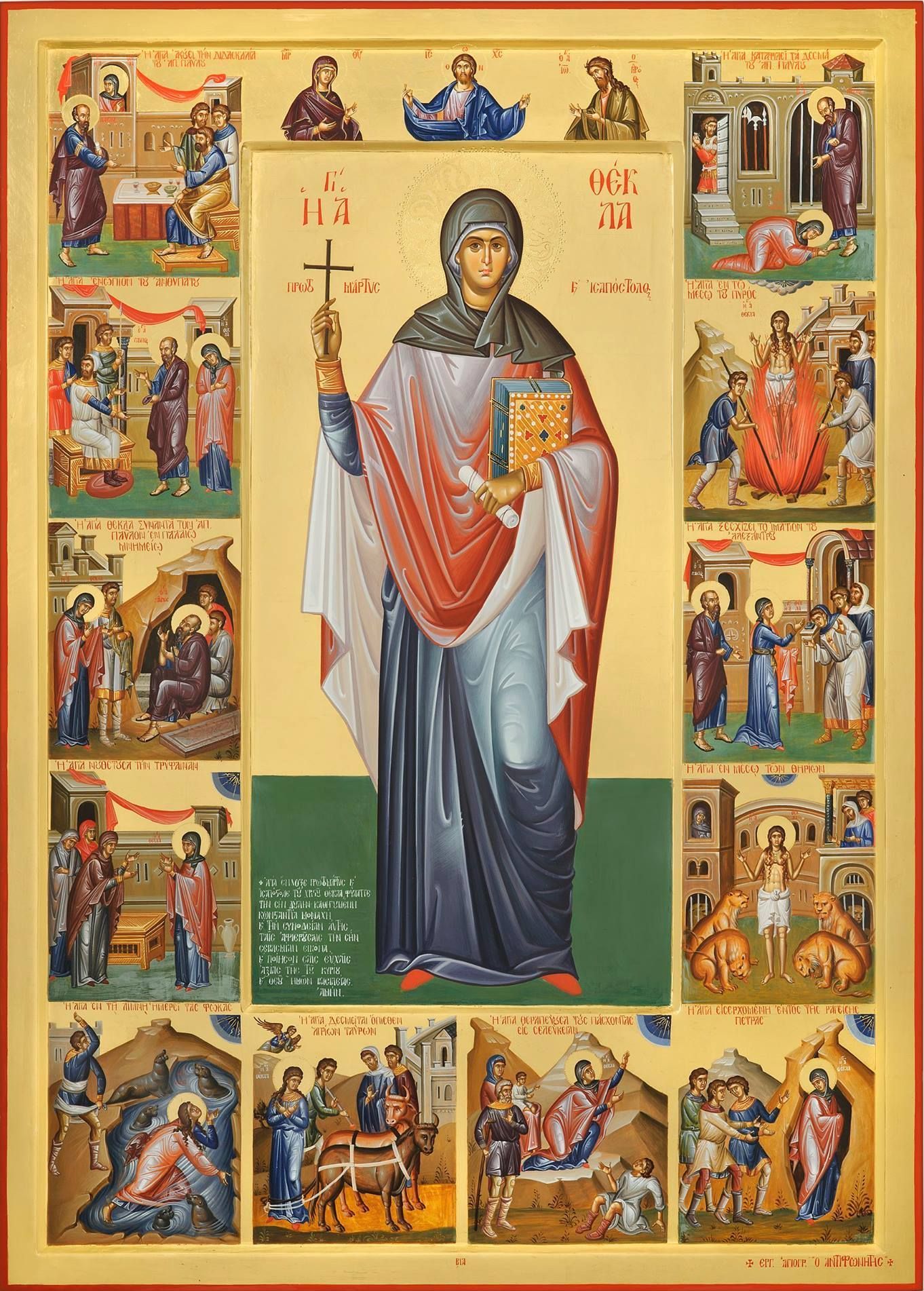
Last night I had the good fortune of participating in the All Saints Day Preaching Slam, celebrating the 10th anniversary of Catholic Women Preach. I still remember meeting Betty Anne Donnelly at the first Women of the Church conference in St. Ferdinand, IN when she was talking about the idea of CWP and looking for who might be interested in participating. I couldn’t imagine at the time that it would go anywhere. Well, was I ever wrong. Over the past decade, 482 women have contributed over 600 weekly reflections on the Sunday lectionary readings to the CWP website that are heard around the world. What an honor to be among them. And what a special joy to preach alongside three of them—Kayla August, Cecilia Gonzalez-Andrieu, and Kerry Robinson—for this anniversary event. These women are not only good preachers, but darn good people. A reminder that the communion of saints is not a reference only to those who’ve died, but those who are still very much living.
Kerry, Cecilia, Kayla and I were each invited to speak about one woman from church history who we derive some of our own insight and encouragement from. I chose Thekla. CWP will soon have a recording of this event to share and I’ll pass it on to you when they do. But for today, I wanted to share a little more as a follow up about why I was thinking of her at this moment in my own life and in our country’s history.
First a little about Thekla, because she is not an especially well-known saint. All that we know of her comes from an apocryphal 2nd century text called The Acts of Paul and Thekla. Although the text was written very early (guesstimate 160 AD?), it never made it into the canon of scripture for reasons that will shortly become obvious. It is both a bizarre and fabulous story.
Thekla was a young woman from Iconium (now present-day Konya in Turkey) who heard St. Paul the Apostle preach and wanted to give her life over to Christ. Thekla asked to be baptized and permitted to go with Paul. The problem was that her parents had already chosen a man for Thekla to marry and forbid it. Engagement quickly turned to enragement. Thekla’s fiancé took Thekla to court for shaming him by refusing to marry and she was ordered to be burned at the stake, but a sudden deluge of rain put the fire out and Thekla escaped.
The story gets better. Thekla tracks down Paul and again asks him to baptize her and allow her to come with him. Paul says “no.” She doesn’t give up and follows him all the way to Antioch. In Antioch, another young man falls in love with her and asks Paul for her hand in marriage, thinking Paul must be her guardian. Paul denies knowing who she even is. Thekla is left on her own to rebuff the young man’s interests and is once again condemned to death. She is brought into an arena filled with wild beasts, but they refuse to eat her.
And this is where the story gets really good because Thekla has finally had enough. If Paul is not willing to baptize her, well, she is just going to have to baptize herself. She spots a tank of man-eating seals in the arena. (Seriously, man-eating seals???) She jumps into the tank and says, “I baptize myself in the name of Jesus Christ.” The seals all die immediately.
One last time, they try to tie Thekla up between bulls, but the cords that they have tied her up with turn to ash and the last line of the episode reads, “She was as one unbound.”
That line aptly describes the remainder of Thekla’s life. Leaving Antioch, she tracks Paul down in the town of Myra. The Acts of Paul and Thekla (wonderfully) reads, “It was no small surprise to Paul when he saw her…for he imagined some fresh trial was coming upon them.”
But Thekla was not there to involve the anxiety-ridden Paul in any further mishaps, nor even to seek his guidance. She had come to share the story of how she found her own voice in a powerful way in the arena and how God had assisted her in trial. She gave Paul some money from the community in Antioch so that he could continue his mission onward. She also let him know she was going back to Iconium with the implication that she herself would preach the Gospel there. Paul replied to her, “Go, and teach the word of the Lord.”
Thekla is alleged to have lived to the age of 90. In the Orthodox Church she is referred to as “Protomartyr and Equal to the Apostles.” As is only right and just. (If you want to see pictures of the scenes that I've described from Thekla's life, look at the icon posted more closely.)
You can probably guess by now why I like Thekla so much and why I picked her. Thekla’s story is weird and fantastical but full of the qualities necessary in living a Christian life, especially in times like those we live in. I’m going to name the three I draw from her story that I hope you’ll also hang onto this week.
- Gumption – Not exactly a virtue you are going to find named in the Summa, but to be highly valued. Thekla tries working within the system, but if it isn’t working toward what she knows to be the good, she continues moving forward, taking on the role of baptizing herself if need be. Sometimes things need to get done and we simply don’t have all the time in the world to wait for others to exercise the leadership they should, in which case, sometimes we just need to do it ourselves. We can spend our time lamenting the leaders we have, or we can just do ourselves what we wish those leaders would do and behave how we wish they would behave. As one of my mentors told me at the beginning of my own professional leadership journey thirty years ago, “Ann, it is often going to be easier to ask for forgiveness than permission.” That has proved very true. We give way too much power to other people with authority by slapping our own wrists long before they do. Now sometimes that kind of behavior can go too far. I’ve been reading my own journals of late that I started writing when I was 17 years old (and haven’t yet stopped!) I can spot times when I’ve been bluntly honest with a sharp edge of certitude yet should have perhaps been more curious and gentle. Curiosity and gentleness are also important virtues in one’s virtue belt. At the same time they should not be the only virtues we are to have in our virtue belt. They certainly weren’t for Jesus. It’s okay to make others uncomfortable with our assertiveness and boldness. Not all the time, but at least some of the time.
- Interior Freedom—What gives Thekla so much gumption is her own interior sense of freedom. My favorite line in her whole story is that “she was as one unbound.” Yes, that refers to the rope sliding off her wrists, but does it not refer to so much more? There are not enough digits in pi to count the number of times I’ve observed people (including myself) whose speech or actions (or lack thereof) are based on fear of repercussions. Where does that kind of freedom Thekla experienced come from? It certainly wasn’t because she was empowered by living in a just society or even church (if you take Paul as its representative). Thekla’s freedom came from a knowledge and trust of God that was located within her. It allowed her to see, “The emperor has no clothes.” This earthly power cannot bind me. It doesn’t call the shots in my life. From what traps in our own minds do we need to be freed? What would it look like to speak and act and live as one unbound even in the midst of a violent arena?
- Continued Good Will and Charity Toward Others—Even after all that Thekla has been through with Paul (who comes across only as a nincompoop in this story) Thekla does not wish him ill. In The Acts of Paul and Thekla, she actually collects money for his mission and blesses him on his way as she goes hers. She could have collected monies to start her own church but does not. She could have expended her energy getting mad at him but does not do that either. She saves her own precious time for the ministry of preaching the Gospel—parting ways with him but not burning the bridge between them. She simply doesn’t need his permission anymore to do what she sense her God-given call. There is such a spiritual maturity here to learn from. So often we think we need the other person to finally recognize us or apologize to us or join forces with us. That’d be nice, but not necessary. We can still be kind to them and wish them the best as we go on our own way, still part of the same greater mission.
One of the best things about being part of the communion of saints—both those living and dead—is that we get sooo many excellent yet diverse models of dealing with every sort of difficult person and wacky situation. Thekla is just one model and maybe not always the right one for every moment, but I tell you so many times she has been my guide and remains so in this moment.
Is there one of these three qualities (gumption, interior freedom, or continued good will and charity toward others) that you want to ask for through Thekla’s intercession in this moment? Know I will be joining you.
Image: Contemporary Orthodox Icon of Saint Thekla with scenes from her life, written by Nicolaiciuc Nicu (Romania).